
Public beach safety in 2026 is evolving rapidly as coastal tourism grows and environmental pressures increase. Governments, municipalities, and resorts are focusing more on structured safety zones, stronger coastal protection, and reliable marine infrastructure.
Below are the key trends shaping public beach safety today and how solutions from Geoseas directly address these needs.
1. Clear Separation Between Swimming and Marine Activity Zones
One of the strongest trends is the need to physically separate swimmers from boats, jet skis, and other marine traffic. Many accidents occur due to unregulated movement in shared waters.
What’s being implemented:
- Dedicated swimming zones
- Restricted navigation corridors
- Permanent or semi-permanent water boundaries
How Geoseas helps:
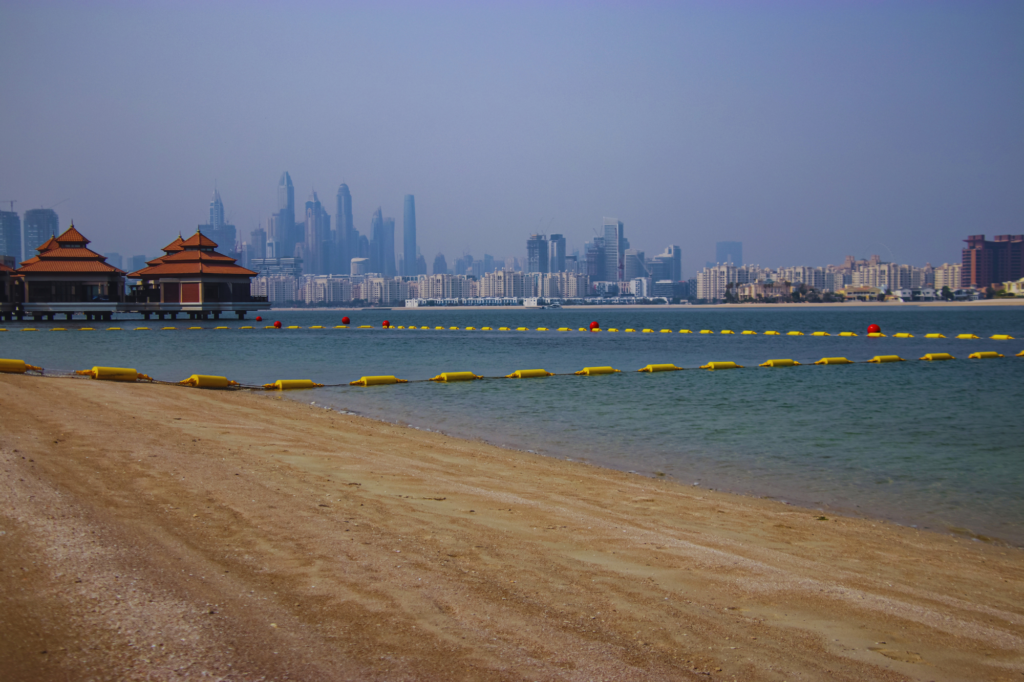
- Swimming barriers such as Geoboom Goliath 950
- Marine barrier nets
- Floating demarcation systems that clearly define safe zones
These solutions improve safety, reduce accidents, and help authorities enforce beach zoning effectively.
2. Increased Use of Physical Marine Protection Infrastructure
Rather than relying only on signage or supervision, coastal operators are investing in durable physical systems that actively reduce risks.
Key applications include:
- Preventing unauthorized vessel entry
- Protecting swimmers in open water beaches
- Securing resort waterfronts
Geoseas solutions:
- Marine barrier nets
- Floating barriers
- Security barrier systems (HADES series)
- Custom marine protection layouts for complex coastlines
These systems provide a first line of defense in high-traffic coastal areas.
3. Stronger Focus on Coastal Erosion and Shoreline Stability
Beach erosion continues to threaten tourism infrastructure, resorts, and public access areas.
Common challenges:
- Loss of sand beaches
- Damage to waterfront facilities
- Unstable shorelines during storms
Geoseas solutions:
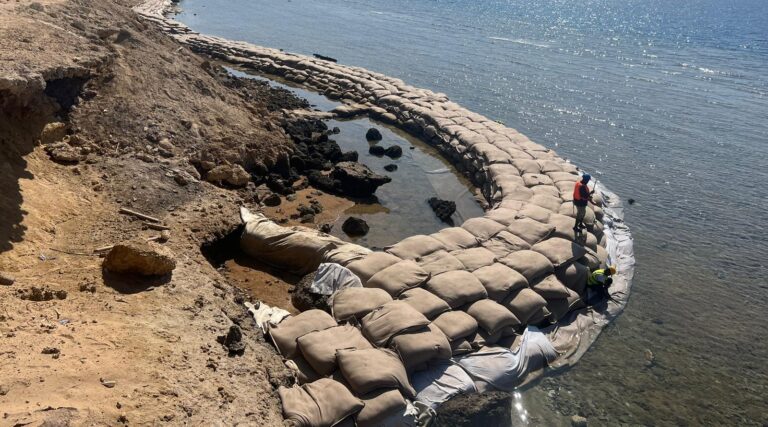
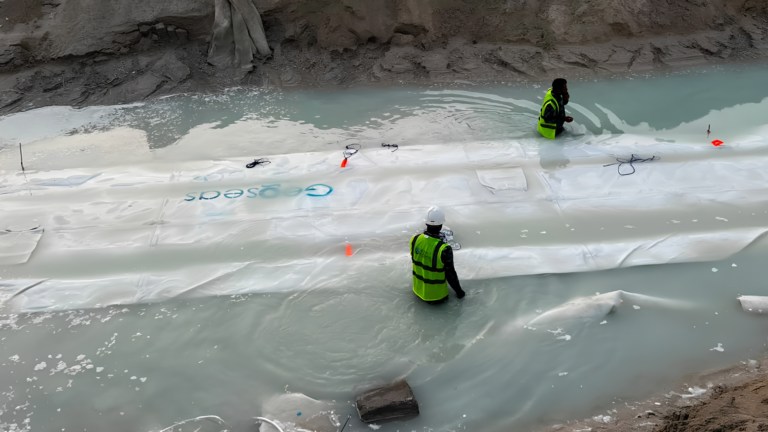
- Geotubes for shoreline stabilization and land reclamation
- Geobags for coastal reinforcement
- Geomattresses for slope and seabed protection
- Floating breakwaters (HAM 750) to reduce wave energy
These systems help protect coastlines while maintaining natural beach usability.
4. Demand for Rapid Marine Pollution Response Capability
Beaches and ports are increasingly required to be prepared for environmental incidents such as oil spills and floating debris.
Operational needs:
- Fast deployment containment systems
- Protection of sensitive coastal zones
- Compliance with environmental regulations
Geoseas solutions:
- Geoboom oil booms
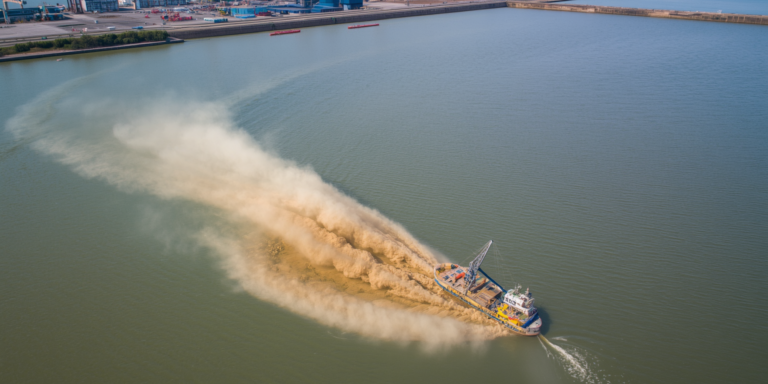
- Silt curtains for sediment control
- Oil spill response systems designed for ports and coastal facilities
These tools help contain pollution and minimize environmental damage.
5. Safer Marinas, Ports, and Waterfront Developments
As coastal development expands, safety extends beyond beaches to marinas, resorts, and waterfront infrastructure.
Key requirements:
- Protection of vessels and infrastructure
- Controlled water movement
- Navigation safety support
Geoseas solutions:
- Floating breakwaters
- GeoTon buoys and navigation markers
- Marine containment and protection systems
These systems enhance both operational safety and asset protection.
6. Growing Emphasis on Long-Term, Low-Maintenance Safety Systems
Operators are moving away from temporary or reactive solutions toward durable, long-term infrastructure.
What clients are looking for:
- Reduced maintenance costs
- High durability in harsh marine environments
- Modular systems that can be expanded
Geoseas approach:
- Engineered geocontainer solutions
- Heavy-duty marine-grade materials
- Custom-designed systems for site-specific conditions
This ensures long-term value and operational efficiency.
Conclusion: Safety Is Becoming Structured, Not Reactive
Public beach safety in 2026 is no longer just about supervision—it is about engineered systems that actively manage risk, protect swimmers, and stabilize coastal environments.
From swimming barriers to coastal protection and pollution control, integrated marine infrastructure is now essential for safe and sustainable waterfront management.
Looking to improve safety, protection, and resilience across your coastline or beachfront project?
Explore Geoseas marine protection and coastal engineering solutions at Geoseas including swimming barriers, marine nets, floating breakwaters, geotubes, and oil spill response systems designed for modern coastal challenges.