
Geotubes for Coastal Protection and Shoreline Stabilization
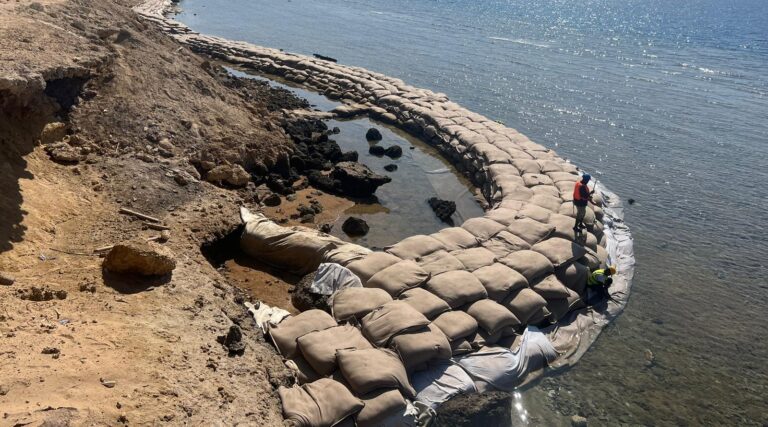
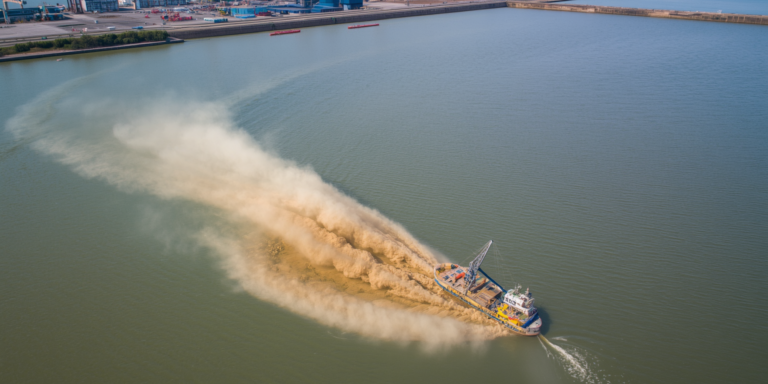
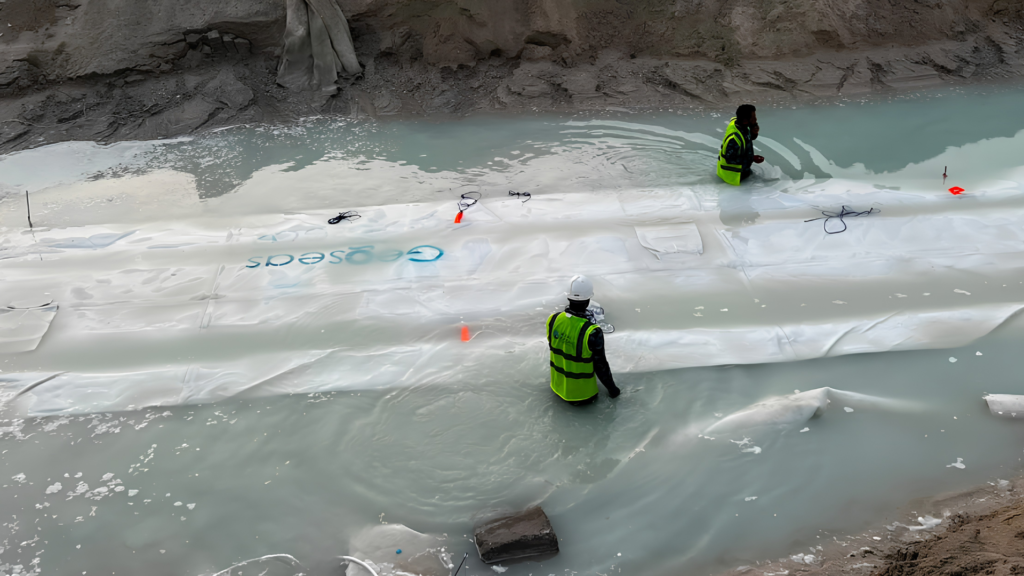
Coastal erosion and changing marine conditions create ongoing challenges for shorelines, beaches, and coastal infrastructure. Geotubes, also known as geotextile tubes, provide an engineered geosynthetic solution for coastal protection and sediment containment.
As part of the Geoseas Geocontainers range, GGT Geotubes are available in Non-Woven and Compositeconfigurations, designed for different coastal protection requirements.
GGT Non-Woven Geotubes
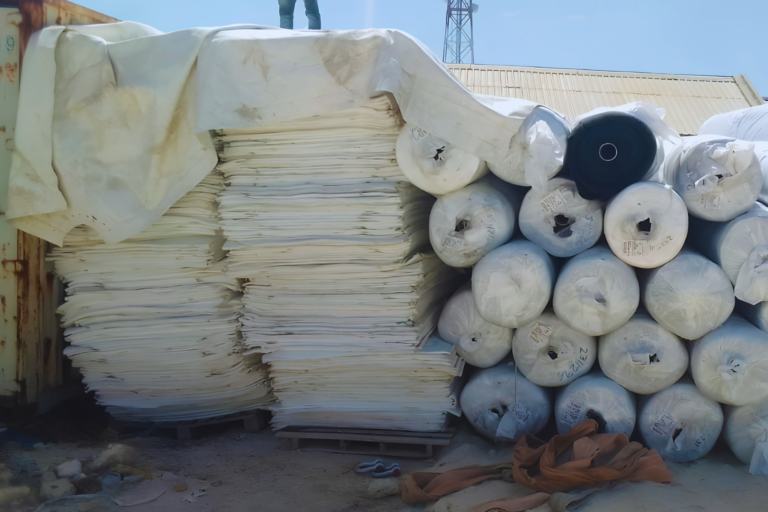
GGT Non-Woven Geotubes are designed for sediment containment and shoreline stabilization. They are manufactured from 100% virgin polypropylene and can be supplied in different fabric weights and configurations to suit project requirements.
Their applications include:
- Alternative solution for rock coastal protection
- Breakwaters
- Submerged breakwaters
- Groynes
- Revetments
- Temporary causeways
- Beach toes
GGT Composite Geotubes
GGT Composite Geotubes combine woven high-tenacity polypropylene multifilament yarns with a non-woven geotextile component. They are designed for coastal protection applications where high mechanical performance is required.
The GGT Composite range can be used for:
- Alternative solution for rock coastal protection
- Breakwaters
- Submerged breakwaters
- Groynes
- Revetments
- Temporary causeways
- Beach toes
With a tensile strength of ≥120 kN/m and minimum circumferential seam strength of 110 kN/m, the composite configuration is engineered for demanding coastal environments.
Choosing the Right Geotube
The appropriate Geotube configuration depends on the project application, site conditions, required mechanical performance, and design requirements.
Whether the objective is shoreline stabilization, sediment containment, breakwater construction, groyne installation, or coastal protection, Geoseas provides Geotube solutions designed for specific marine applications.
Geotubes by Geoseas
Through the Geocontainers range, Geoseas delivers engineered Geotube solutions for coastal projects seeking an adaptable alternative to conventional rock-based protection.
Protecting coastlines. Stabilizing shorelines. Sustaining seas everywhere.